
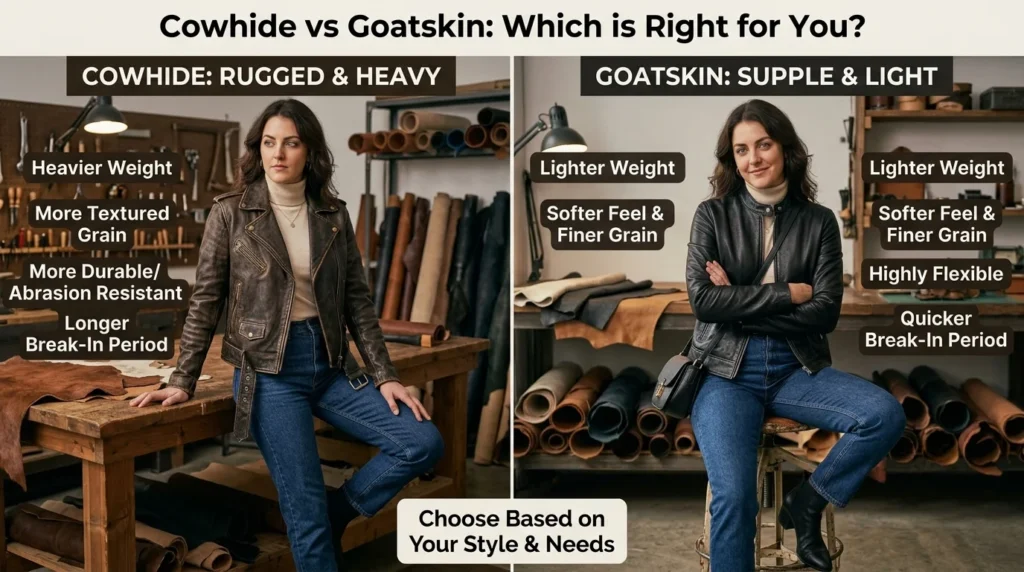
Cowhide vs goatskin leather jackets compared by weight, flexibility, durability, texture, comfort, fit and intended use, with a practical buying checklist and FAQs.
Author Archives: USA Jackets Co
02
Oct
Oct
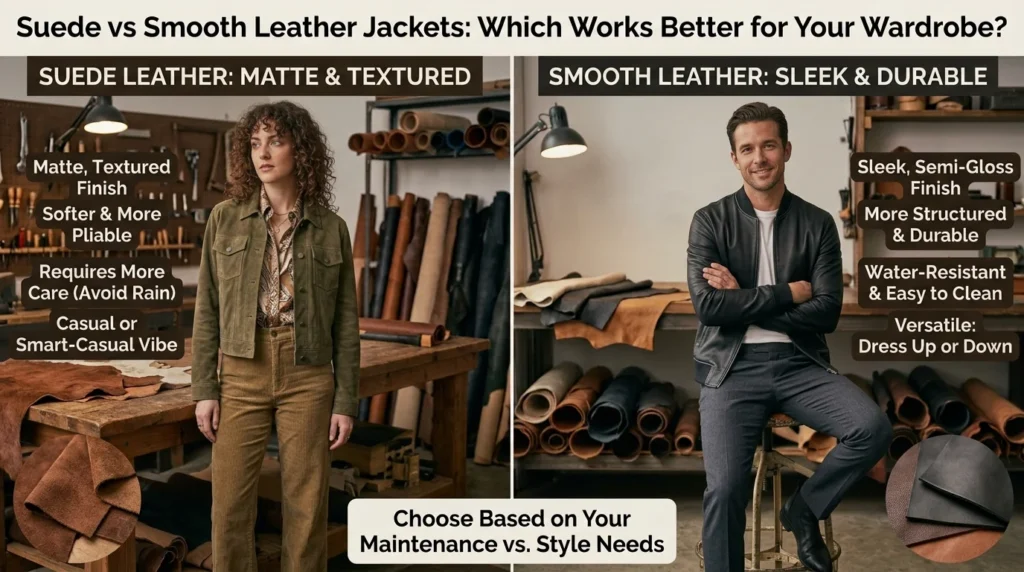
Compare suede vs smooth leather jackets by style, durability, care, weather resistance, versatility and comfort, then choose the right option for your wardrobe.
01
Oct
Oct
Build brown leather jacket outfits for every season with nine easy combinations, colour pairings, fit advice, and smart-casual styling tips.
01
Oct
Oct
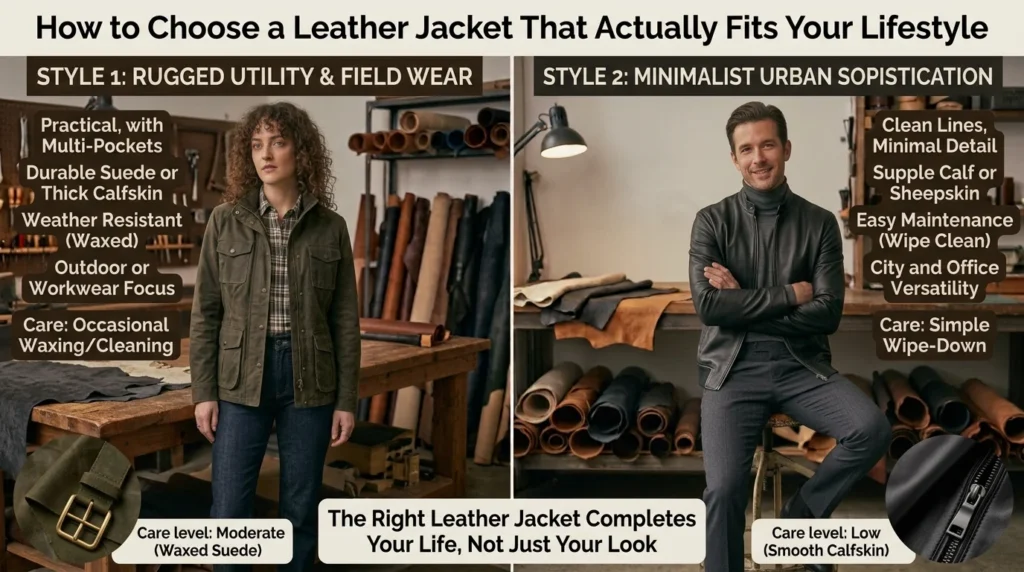
Learn how to choose a leather jacket based on your lifestyle, climate, wardrobe, leather type, fit, color, comfort, maintenance and budget.

01
Oct
Oct
Explore leather jacket trends 2026 with five fall styles, color ideas, fit tips, and outfit suggestions for casual and polished wardrobes.

01
Oct
Oct
Style a leather bomber jacket for women with 7 outfit ideas, fit tips, seasonal layers, and color combinations for casual and polished looks.
30
Sep
Sep
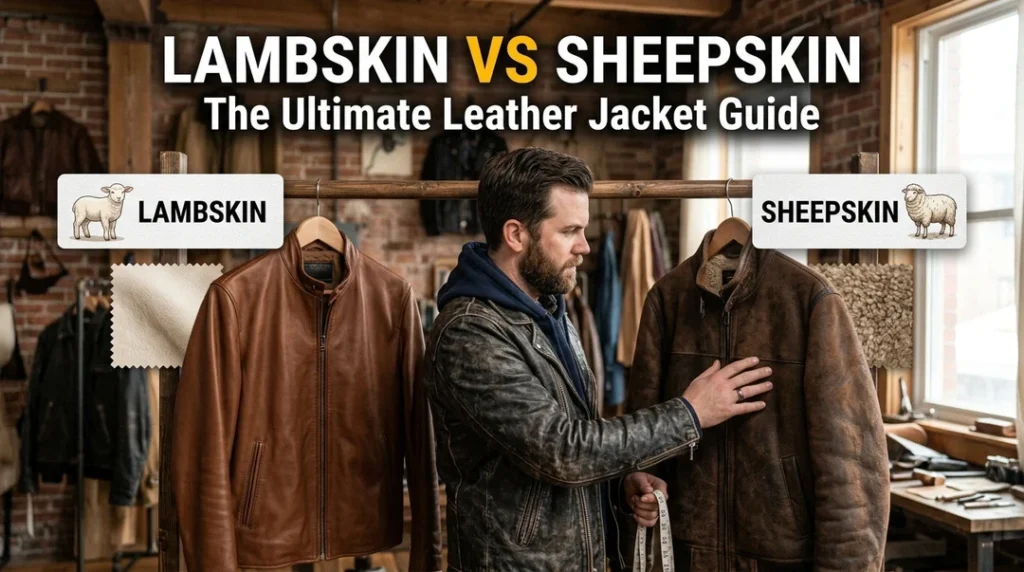
Lambskin vs. sheepskin leather jackets: compare softness, structure, durability, warmth, care, and fit to choose the right leather for your lifestyle.
30
Sep
Sep
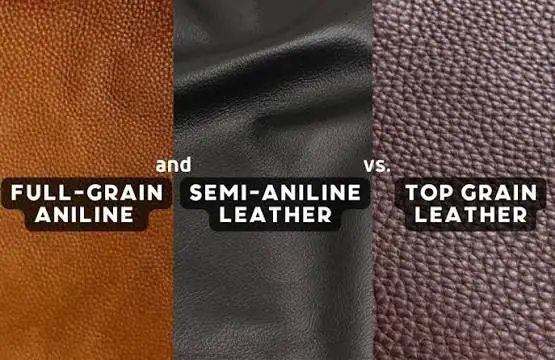
Compare full-grain vs top-grain leather jackets, learn how the grain and finish differ, and check fit, construction, care, and seller details before buying.
29
Sep
Sep
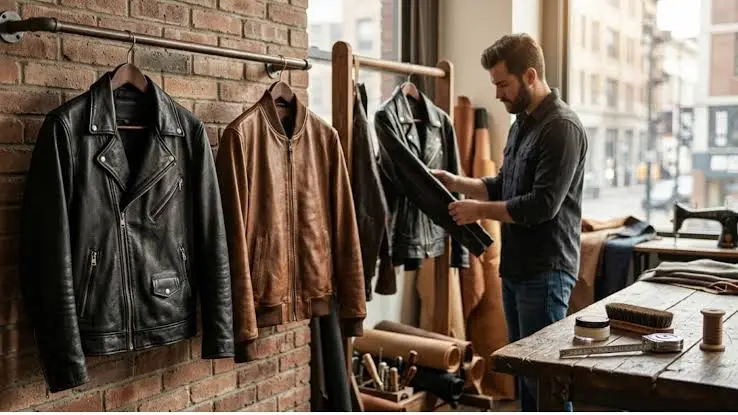
Buying a leather jacket should feel exciting, not confusing. A good jacket can become one of the most useful pieces in your wardrobe, but only when you know what to inspect before paying. Leather type, construction, fit, lining, hardware, care requirements, and seller policies all affect whether a jacket will look better with age or become an expensive disappointment. This leather jacket buying guide explains the practical checks that help you compare jackets fairly, whether you are shopping online or in person. Use it as a simple checklist before you place an order. 1. Start with the way you will actually wear it The best leather jacket is not automatically the thickest, softest, or most expensive option. It is the one that fits your routine. Before comparing finishes or brand names, decide how you expect to use the jacket. Everyday city wear: a clean racer, bomber, or simple zip jacket is usually easy to style. Motorcycle riding: look for a secure fit, durable hide, practical pockets, strong closures, and room for the layers you actually wear. Cold-weather layering: prioritize a comfortable cut, a useful lining, and enough room for a sweater without restricting movement. Occasional fashion use: you can focus more on silhouette, color, finish, and statement details. Travel: choose a versatile color, secure pockets, and a construction that can handle repeated wear. 2. Check what the leather description really means Leather labels are useful, but they should not be treated as a complete quality score. Terms such as full-grain, top-grain, corrected-grain, suede, lambskin, cowhide, and goatskin describe different characteristics. They do not tell you everything about tanning, thickness, stitching, or finishing. Leather type Typical feel What to consider Full-grain Natural surface, develops character Often valued for durability and visible grain; may feel firmer at first Top-grain Smoother, more uniform Can offer a balance of appearance, comfort, and durability Lambskin Light and soft Excellent drape and comfort; needs thoughtful care Cowhide Firm and substantial Useful when abrasion resistance and structure matter Goatskin Light but resilient Often a practical middle ground for everyday wear Suede Soft, brushed nap Distinctive texture, but more sensitive to moisture and staining Ask whether the product page clearly states the leather type, and be cautious when the description only says “genuine leather” without explaining the hide or finish. Genuine leather can be real leather, but the phrase by itself is not a detailed specification. 3. Look at the hide thickness and intended use Thickness should match the jacket’s purpose. A lightweight fashion jacket can be comfortable and easy to layer, while a riding jacket may need more substantial material and reinforced construction. Neither is automatically better for every buyer. When shopping online, look for information about weight, lining, and intended use. Product photos can help, but they do not always show how substantial the leather feels. If the site offers a measurement chart or support contact, use it before ordering. 4. Inspect the fit in the places that matter most A leather jacket should feel close to the body without pulling across the chest or shoulders. The shoulder seam should sit near the edge of your shoulder. Sleeves should reach the wrist or the point where your hand meets the wrist bone, depending on the style. The hem should sit where the design intends, rather than riding up whenever you move. Quick fit checks Zip or button the jacket and raise both arms. Reach forward as if holding a steering wheel. Check whether the armholes cut into your underarms. Wear the layer you expect to use underneath it. Make sure the collar is comfortable when closed. Leather may relax slightly with wear, but it should not be purchased several sizes too small in the hope that it will stretch into the right shape. A little initial firmness is normal; painful pressure is not. 5. Examine the stitching, seams, and panels Construction is one of the clearest signs of value. Look closely at high-stress areas such as the shoulders, armholes, cuffs, pocket openings, zipper base, and side seams. Stitching should look even and secure, with no obvious loose threads or skipped sections. Panel layout also matters. Well-planned panels can improve shape and movement, while awkward seams can create pulling or bulk. On a fashion jacket, symmetry and clean alignment are important. On a riding jacket, reinforcement and mobility may matter more than a perfectly minimal appearance. 6. Check the lining and internal finishing A lining affects comfort, layering, and how the jacket moves over clothing. Look for a lining that lies flat and is attached cleanly at the hem, sleeves, and armholes. If the product page does not show the inside, ask for a photo or confirm the lining details before purchase. A jacket can have attractive outer leather but still feel uncomfortable if the lining twists, catches on knitwear, or restricts your arms. Internal finishing is easy to overlook because it is less visible in marketing images, but it has a major effect on everyday wear. 7. Test the hardware and closures Zippers, snaps, buttons, buckles, and adjustment tabs should feel secure and suit the jacket’s use. Open and close zippers smoothly without forcing them. Check that snaps line up properly and that pocket openings are large enough for what you plan to carry. Hardware can change the entire look of a jacket. Polished metal may feel dressier, while matte or antique finishes often create a more casual or vintage effect. Choose hardware that works with the rest of your wardrobe instead of buying details you will rarely use. 8. Choose the color with your existing wardrobe in mind Black is usually the easiest starting point because it works with denim, trousers, boots, sneakers, and many casual layers. Brown can feel warmer and more relaxed, especially with blue denim, cream, olive, and earth tones. Tan and lighter shades can look distinctive but may require more care when worn in busy settings. Think about the colors you already wear. A jacket that matches ten outfits is […]
28
Sep
Sep
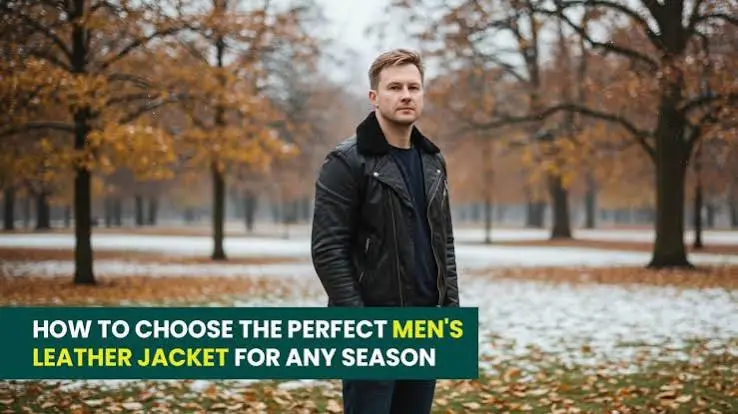
The best leather jacket is the one that matches your daily routine, climate, wardrobe, and comfort needs. Use this practical guide to choose the right style, leather, fit, and features.