
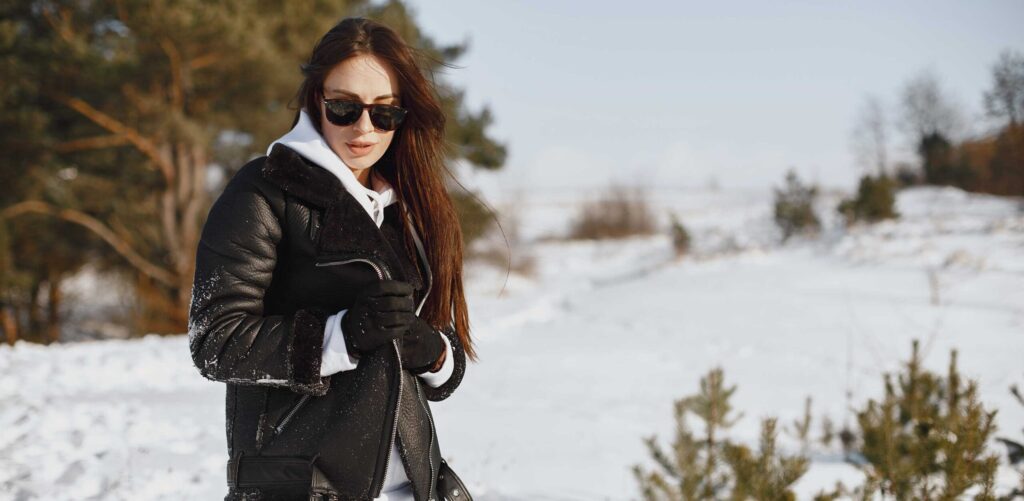
Will Leather Jackets Keep You Warm? 🧥 Leather jackets: they’re a timeless symbol of cool, rebellion, and style. From bikers to rock stars to Hollywood legends, they’ve been a wardrobe staple for decades. But beyond the undeniable aesthetic, there’s a practical question that often comes up, especially when the temperature starts to drop: Will this stylish piece of armor actually keep me warm? The short answer is: It depends, but generally, yes—to a point. Here’s a deeper look into the practical warmth and insulation capabilities of the classic leather jacket. The Material Science of Cool (and Warmth) To understand a leather jacket’s thermal properties, you have to look at the hide itself. Leather, typically made from cow, sheep, or goat hide, is a naturally dense and durable material. 1. Excellent Wind and Water Resistance This is where a good leather jacket truly shines. Its structure is incredibly effective at blocking the elements. Wind Blocking: Because leather is not woven like a textile (like cotton or wool), it has almost zero permeability to the wind. If you’re riding a motorcycle or just walking on a blustery day, a leather jacket acts as an exceptional windbreaker. This is often the most significant factor in keeping you warm, as blocked wind prevents the rapid chilling of your body’s heat layer. Water Repellent: While leather isn’t fully waterproof, it’s highly water-resistant. A brief shower will mostly bead up and run off, keeping the layers underneath dry—and a dry layer is always a warm layer. 2. Natural Insulation Will leather jackets keep you warm? Leather has decent, though not outstanding, insulating properties. It’s thick and dense, which means it helps trap the heat your body produces close to you. Think of it like a second skin. It’s better than a thin denim jacket or a light nylon windbreaker, but it’s not going to compare to a heavy wool coat or a down-filled puffer. Where the Warmth Factor Really Changes The two biggest factors that determine a leather jacket’s warmth have nothing to do with the leather itself: The Cut and The Lining. 1. The Lining is Key 🔑 This is the non-negotiable factor. A leather jacket designed for warmth will have a proper lining: Light-to-Moderate Warmth: Most standard fashion jackets have a simple polyester or silk lining. This adds a small amount of insulation and helps the jacket slide on easily, but it’s really only suited for cool evenings or mild autumn days (say, 50-65°F or 10-18°C). Serious Warmth: Jackets intended for colder weather, like classic aviator or bomber styles, often feature a quilted lining, flannel, or even a shearling or fur collar. These jackets are significantly warmer and can easily handle near-freezing temperatures, especially when layered properly. Shearling-lined jackets, in particular, are among the warmest coats you can buy. 2. The Fit and Layering The warmth of any coat is maximized through layering. A leather jacket, particularly one in a biker or cafe racer style, typically has a close fit. If your coat is too snug, you won’t be able to fit a proper insulating layer underneath, like a thick sweater or a hoodie. The Golden Rule: For maximum warmth, ensure your jacket is roomy enough to comfortably wear a hoodie, a thermal shirt, or a fitted wool jumper underneath. This combination creates an air pocket that traps heat, turning your cool leather piece into a truly functional cold-weather coat.
Author Archives: USA Jackets Co

May
Exploring Calfskin Leather: A Guide to Its Luxurious Appeal Calfskin leather is renowned for its sleek, velvety surface, captivating aesthetic, and superior durability compared to standard cowhide. This makes it an exceptional material for jackets and a wide range of leather goods. If we consider the ranking of leather types by quality and prestige, calfskin consistently stands near the pinnacle. Whether you’re contemplating a calfskin jacket purchase or simply curious about the intricate world of leather, this guide will provide valuable insights. What is Calfskin Leather? Calfskin leather, also known as calf leather, is crafted from the hides of young cattle. Celebrated as one of the most opulent leather types, it holds a prestigious place in the fashion industry. Its versatility shines in products like jackets, footwear, handbags, belts, and wallets. How Are Calfskin Leather Finishes Created? Calfskin leather begins with the hide of a young calf, which is meticulously processed to remove all hair. The cleaned hide is then sent to a tannery, where it undergoes tanning and treatments to transform it into the premium leather used globally. During processing, various finishes are applied to modify the leather’s appearance, texture, and durability. Calfskin leather primarily features two finishes: aniline and semi-aniline. Aniline Leather Aniline leather is revered as the purest form of leather available. Its final processing is minimal, preserving the hide’s natural characteristics. This finish retains the natural wrinkles and marks from the animal’s skin, enhancing the leather’s authenticity. For calfskin, which is inherently smooth and supple, the aniline finish is ideal as it avoids sanding, maintaining the leather’s softness. Aniline leather also showcases the hide’s natural grain, making it highly receptive to vibrant colors and bold hues—perfect for those seeking expressive, colorful leather goods. Semi-Aniline Leather While similar to aniline, semi-aniline leather is distinct due to its protective coating. This layer shields the leather from damage and moisture, boosting its durability compared to aniline leather. Semi-aniline calfskin is typically sourced from hides with minimal imperfections, closely resembling full-grain leather. Its flawless, polished appearance appeals to those who prefer a pristine look, though it may not suit everyone’s taste. Is Calfskin Leather Authentic? Absolutely, calfskin leather is genuine leather. It’s important to distinguish between “real” and “genuine” leather, as these terms are often misused. Real leather, like calfskin, is derived from high-quality rawhide and may feature natural imperfections such as wrinkles. Genuine leather, while technically real, is the lowest grade of real leather, often comparable in quality to faux leather. Is Calfskin Leather Waterproof? Thanks to its tight grain, calfskin leather offers decent water resistance. However, labeling it as waterproof is inaccurate, as no real leather is inherently immune to water. While water-repellent sprays can enhance protection, leather naturally absorbs moisture. To preserve your calfskin garments, store them away from water and humid environments. How Does Calfskin Compare to Other Leathers? Calfskin is widely regarded as a top-tier leather due to its luxurious texture and durability. But how does it stack up against other common leather types? Let’s explore. Calfdark vs. Cowhide Cowhide is the most common leather, used in everything from furniture to accessories. It’s reliable and affordable but lacks standout qualities. Calfskin, by contrast, is a luxury material that excels in nearly every aspect except cost. Its tighter grain makes it more durable, lighter, and thinner than cowhide, while its softness enhances comfort. Calfskin vs. Lambskin Lambskin is calfskin’s closest rival in terms of softness and durability, with both considered premium materials. Lambskin is exceptionally buttery and lightweight, making it ideal for winter jackets due to its effectiveness against cold and wind. Calfskin strikes a balance between softness and resilience, holding up better in tough conditions and resisting scratches and abrasions more effectively. Calfskin vs. Sheepskin In today’s market, lambskin and sheepskin are often interchangeable, as manufacturers use the smoothest sheepskin available. However, sheepskin stands out in shearling jackets, where its thicker, heavier composition excels in freezing climates. Compared to calfskin, sheepskin is far superior for extreme cold. Calfskin vs. Goatskin Goatskin is a strong alternative to calfskin, sharing traits like softness, water resistance, and a tight grain. The key difference lies in goatskin’s greater flexibility and unique texture. Both are excellent for jackets, and choosing between them depends on personal preference, as each offers distinct characteristics.

Apr
Although leather jackets are arguably the most popular pieces in menswear as well as womenswear; worldwide, a question that matches the extent of this popularity would be How much Does a Leather Jacket Cost? Whether online or offline, a substantial number of people are keen to know the cost of a good quality leather jacket. With so many places that carry leather jackets available at one’s fingertips and a wide range of different prices attached, it’s no surprise that many are confused between various price points as well as types of leather jackets on display. Especially for those purchasing their first leather jacket. In this post, we will go through the different aspects that contribute to the price point of leather outerwear at USA Jackets Co. Type of Leather While it may sound pretty simple and straightforward, the type of leather used in any given leather jacket does contribute to the cost of the finished product. Sourcing a type of leather such as lambskin or something tougher, such as cowhide is often a lengthy process, especially given that no two animal hides or skins are identical. The Jacket Maker sources its leather from the food industry. This means that sometimes, one jacket may require more than one hide, in some cases two or more. The size and weight of the leather further contribute to the cost of the finished product. Materials and More Another factor that plays a part in the cost of a leather jacket at The Jacket Maker, is the materials used in the leather jacket, leather trench coat what have you. These materials include linings, such as nylon or polyester, hardware such as YKK zippers, snap-buttons, traditional buttons, studs, spikes, buckles, toggles, trims, or elastic, ribbed fabrics, or any kind of added materials required for a specific style of leather jacket. Furthermore, labels, tags, and packaging material also impact the overall cost of any given leather jacket. Finishing and Processes Speaking of processes alone, leather undergoes certain processes and sub-processes that include a preparatory stage. This covers such elements as soaking, unhairing, fleshing, splitting, bating, degreasing, freezing, bleaching, etc. Other sub-processes include stages such as tanning, crusting, and surface coating. Aside from the processes that leathers go through, there are leather finishes that finalize the leather that is then ready for cutting. These leather finishes include Aniline and Semi-Aniline finish, Pigmented Full-Grain Leather, Suede, Nubuck, Pull-up, and Embossed leather finishing to name a few. From Cutting to Craftsmanship Once the leather is ready to be crafted into a jacket, it goes through a cutting stage where the leather, depending on whether it is for The Jacket Maker’s ready-to-wear assortment, made-to-measure or custom jackets, is cut according to the dimensions needed. It is important to point out here that The Jacket Maker has a different pattern for each of these assortments. Every leather jacket is made by hand with close attention to detail. Interestingly, ready-to-wear leather jackets can fit several sizes and body types as opposed to made-to-measure which gives a better fit and that closes the gap a bit between various sizes fitting into it. Custom leather jackets are a very personalized type of leather outerwear that is made from scratch for the concerned individual. Additionally, custom leather jackets allow for any type of change within the jacket itself, including color, style, closure, detail, etc. A customer can also have logos, graphics, embroidery, and other forms of personalization added to a customized leather jacket. All in all, every jacket from either of these assortments has some work added to creating it, therefore being reflected in the price of the leather jacket. Personalization and Corporate Gifting Even though we’ve covered customization a bit in the previous point, being a rather wide and diverse area, qualifies it for its own specified point. For starters, The Jacket Maker offers a wide range of leather outerwear for men and women that covers a ready-to-wear, made-to-order, and customized assortment. Aside from this, the brand also offers a corporate gifting feature for anyone seeking to gift any of their associates and colleagues with monogrammed or personalized gifts. This could be a leather jacket, a varsity jacket, or a leather bomber jacket that could range from a single piece to a dozen or more pieces. Within each of these offerings lies further additional rates which ultimately reflect in the final leather jacket cost. Other Factors: Middlemen and Retailers While it’s true that The Jacket Maker is a direct-to-consumer brand, which is why the price point that it offers is more accessible to a wider group of people as opposed to other brands. The more expensive a leather jacket means that there’s a cut or portion of this price that goes to such individuals as middlemen and retailers or anyone who is in this chain between the brand and consumer. The more people involved, the higher the chance of the leather jacket being unnecessarily expensive. It is here that many people are confused with the cost of the leather jacket and the quality. Some think that an expensive leather jacket would be high in quality as opposed to an inexpensive one that may be not as good. However, this couldn’t be any farther from the truth. The cost of a leather jacket does not always determine the quality. However, there are exceptions that people must beware of. It is very possible that an expensive leather jacket may not be as high in quality as a leather jacket that has an accessible or affordable price tag. What is a good price for a leather jacket? A good price for a leather jacket may vary from person to person. However, we know for a fact that accessible price points do offer high-quality leather outerwear that lasts a good many years. Is it worth buying a real leather jacket? Yes, for sure. Real leather jackets are the best choice for long-lasting wear that looks good and is just as comfortable. What should I look for when buying a leather jacket? When buying […]

Apr
Title: Mastering the Art of Wool Care: Learn How to Wash Wool the Right Way Introduction: Wool is a timeless, versatile, and luxurious material that deserves proper care to maintain its quality and longevity. Whether it’s your favorite sweater, cozy blanket, or stylish scarf, knowing how to wash wool correctly is essential to preserve its softness and durability. In this guide, we’ll explore the best practices and techniques to keep your woolen items looking and feeling their best. Understanding Wool: Before diving into the washing process, it’s crucial to understand the nature of wool. Wool fibers have unique properties that require gentle handling to prevent damage. Unlike synthetic materials, wool has natural oils that repel water and dirt, making it naturally resistant to stains and odors. However, improper washing methods can strip away these oils, leaving the wool fibers dry and brittle. Step-by-Step Guide to Washing Wool: Check the Care Label: Before washing any woolen item, always check the care label for specific instructions. Some wool garments may be machine washable, while others require handwashing or dry cleaning. Follow the manufacturer’s recommendations to avoid damaging the fabric. Pre-Treat Stains: If your wool item has any stains, it’s essential to pre-treat them before washing. Use a mild detergent or stain remover specifically designed for wool, and gently dab the stained area with a clean cloth. Avoid rubbing vigorously, as this can push the stain deeper into the fibers. Handwashing Method: a. Fill a basin or sink with lukewarm water. b. Add a small amount of mild detergent formulated for wool. c. Submerge the wool item in the water and gently agitate it with your hands. d. Let the garment soak for 10-15 minutes to allow the detergent to penetrate the fibers. e. Rinse thoroughly with clean water until all soap residue is removed. f. Press out excess water gently without wringing or twisting the wool. g. Lay the garment flat on a towel and reshape it to its original dimensions. h. Allow it to air dry away from direct sunlight or heat sources. Machine Washing Method: a. Use a gentle cycle and cold water setting on your washing machine. b. Turn the wool item inside out to protect the outer surface. c. Place the garment in a mesh laundry bag to prevent stretching or snagging. d. Add a small amount of wool detergent to the machine. e. Run the cycle on a gentle setting with a low spin speed. f. Remove the wool item promptly after the cycle is complete. g. Reshape the garment and lay it flat to dry as described above. Step-by-Step Guide to Washing Wool: Check the Care Label: Before washing any woolen item, always check the care label for specific instructions. Some wool garments may be machine washable, while others require handwashing or dry cleaning. Follow the manufacturer’s recommendations to avoid damaging the fabric. Pre-Treat Stains: If your wool item has any stains, it’s essential to pre-treat them before washing. Use a mild detergent or stain remover specifically designed for wool, and gently dab the stained area with a clean cloth. Avoid rubbing vigorously, as this can push the stain deeper into the fibers. Handwashing Method: a. Fill a basin or sink with lukewarm water. b. Add a small amount of mild detergent formulated for wool. c. Submerge the wool item in the water and gently agitate it with your hands. d. Let the garment soak for 10-15 minutes to allow the detergent to penetrate the fibers. e. Rinse thoroughly with clean water until all soap residue is removed. f. Press out excess water gently without wringing or twisting the wool. g. Lay the garment flat on a towel and reshape it to its original dimensions. h. Allow it to air dry away from direct sunlight or heat sources. Machine Washing Method: a. Use a gentle cycle and cold water setting on your washing machine. b. Turn the wool item inside out to protect the outer surface. c. Place the garment in a mesh laundry bag to prevent stretching or snagging. d. Add a small amount of wool detergent to the machine. e. Run the cycle on a gentle setting with a low spin speed. f. Remove the wool item promptly after the cycle is complete. g. Reshape the garment and lay it flat to dry as described above. Tips for Wool Care: Avoid Hot Water: Wool is sensitive to heat, so always use cold or lukewarm water when washing to prevent shrinking and felting. Use Wool-Specific Detergent: Regular laundry detergents can be too harsh for wool fibers. Opt for a detergent specially formulated for wool to maintain its softness and color vibrancy. Handle with Care: Whether handwashing or machine washing, always handle wool garments gently to prevent stretching, distortion, or damage to the fibers. Dry Flat: Never hang wool items to dry, as this can cause them to stretch out of shape. Instead, lay them flat on a towel to air dry naturally. Store Properly: Store wool items in a cool, dry place away from direct sunlight and moisture to prevent mold and mildew growth. Use breathable garment bags or storage containers to protect them from dust and pests.
Oct
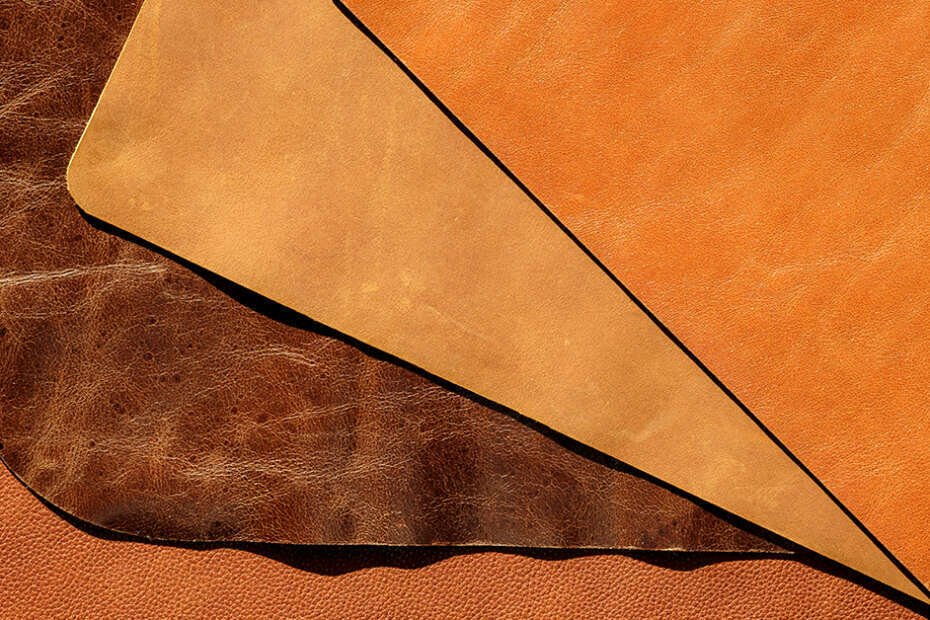
Cowhide names the hide source, while Crazy Horse usually describes an oil- or wax-finished look. Learn how the terms overlap and what to check before buying a jacket.

Mar
How to fold a leather jacket for travel: simple steps to protect the leather, avoid tight creases, fit it in your suitcase, and unpack it safely.

Feb
Buying your first leather jacket? Compare styles, fit, materials, construction, care, and return terms with this practical checklist.
Choose a leather jacket at any age with practical advice on fit, comfort, color, styling, and construction.
Learn safer ways to reduce wrinkles in a leather jacket, what heat can damage, and when a leather-care professional should help.
Use this practical guide to clean a leather jacket safely, spot test products, and know when professional care is the better choice.