
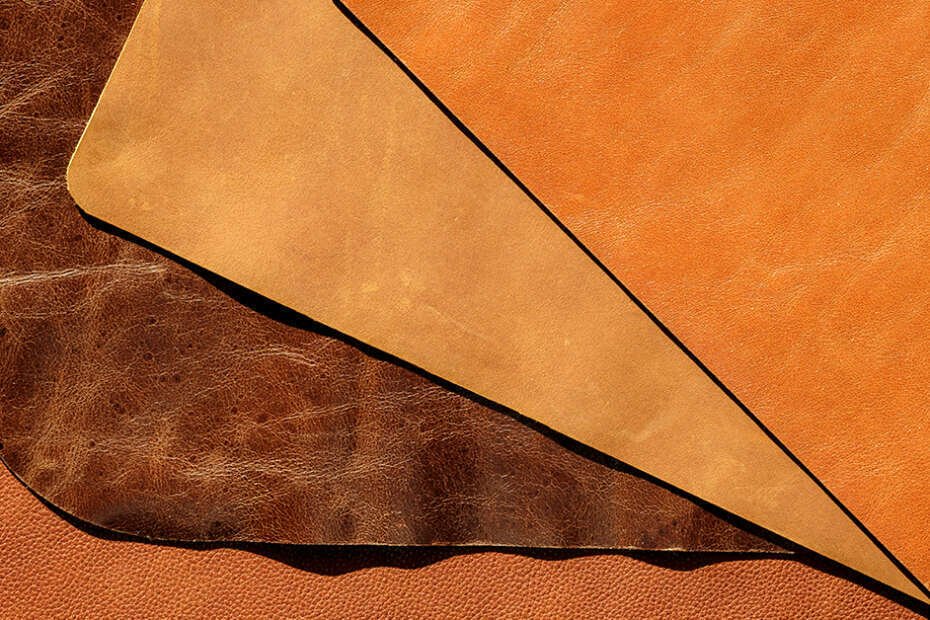
Crazy Horse leather and cowhide are not completely separate materials. Cowhide describes the animal source; Crazy Horse usually describes a distinctive oil-and-wax finish applied to leather, often cowhide. In other words, a piece of Crazy Horse leather can also be cowhide. The label alone does not tell you every detail about its grade, tanning, or construction.
That distinction matters when you compare jackets. Start by checking the hide and leather grade, then look at the surface finish, weight, lining, and care instructions.
What does cowhide leather mean?
Cowhide leather is made from the hide of cattle. The word identifies the source material, but it does not describe one fixed quality or appearance. Cowhide can vary in thickness, grain, tanning, softness, and finish. A jacket made from cowhide might feel firm and structured or softer and more flexible, depending on how the hide was selected and processed.
For that reason, “cowhide” by itself is not a complete quality grade. Check the product description for details such as full-grain or corrected grain, thickness, finish, lining, and how the jacket is constructed.
What is Crazy Horse leather?
Crazy Horse is commonly used for leather with an oil- or wax-treated surface that creates a rugged, varied look. When the leather bends or is rubbed, the surface can show lighter or darker tonal shifts, often called a pull-up effect. Those marks and variations are part of the intended character, although the exact result depends on the hide and finish.
The name does not mean the material is made from horsehide. Dr. Martens, for example, describes its Crazy Horse material as buffed full-grain cowhide treated with oil and wax. That is one maker’s specification; always check the individual jacket listing rather than assuming every seller uses the same base hide or grade.
See Dr. Martens’ Crazy Horse leather material description.
Cowhide vs. Crazy Horse leather: the main differences
| What to compare | Cowhide leather | Crazy Horse leather |
|---|---|---|
| What the term describes | Leather from cattle; not a specific finish or grade | A surface treatment or product description, commonly for oil- or wax-finished leather |
| Can both terms apply? | Yes. Cowhide may receive a Crazy Horse-style finish | Often made from cowhide, but confirm the base hide with the seller |
| Typical appearance | Can be smooth, pebbled, matte, glossy, corrected, or otherwise finished | Often has a worn-in look with visible color variation and pull-up marks |
| Feel and structure | Depends on thickness, tanning, and finish | Depends on the base leather; the wax or oil finish affects surface feel and appearance |
| Care | Follow the care instructions for its specific finish | Use the maker’s instructions; some products or conditioners can change the waxed surface |
So, the practical answer to “Are cowhide leather and Crazy Horse leather the same thing?” is: they describe different things, but they can describe the same piece of leather. One names the hide source, while the other usually names the finish or look.
Is Crazy Horse leather more durable than regular cowhide?
Not automatically. Durability depends on the hide, its thickness and grade, tanning, stitching, seams, hardware, lining, and how the jacket is worn. A Crazy Horse finish can make marks more visible and contribute to a broken-in appearance, but it does not prove that the leather is waterproof, scratch-proof, or better constructed.
For a jacket you expect to wear often, inspect the garment as a whole. Check that the seams are even, the zipper moves smoothly, the lining lies flat, and the fit allows comfortable movement. Our leather jacket buying guide explains more of the details to compare before ordering.
Which one should you choose for a leather jacket?
- Choose a Crazy Horse-style finish if you like a textured, rugged look that may develop visible tonal changes with wear.
- Choose another cowhide finish if you prefer a smoother or more uniform surface. Ask the seller what finish is used rather than relying on “cowhide” alone.
- Compare the full specification if weight, warmth, or everyday comfort matters. The lining and cut can affect comfort as much as the leather name.
If a listing says “Crazy Horse cowhide,” ask whether the leather is full-grain or corrected, how it is finished, and what care products are suitable. For a simple explanation of grain labels, see our guide to full-grain vs. top-grain leather jackets.
Care tips for Crazy Horse and cowhide jackets
- Read the brand’s care instructions before applying cleaner, conditioner, oil, or wax.
- Test any approved product on a small, hidden area first because it may deepen or change the color.
- If the jacket gets wet, blot gently and let it dry naturally away from direct heat.
- Store it on a broad hanger in a cool, dry place, with room for air circulation.
- For stains or substantial damage, ask a leather-care professional before attempting a home repair.
Care products are not universal: a product that suits one leather finish may darken or alter another.
Frequently asked questions
Is Crazy Horse leather made from a horse?
Usually, no. “Crazy Horse” commonly refers to a leather finish or style, not the animal. Many products use cowhide, but check the seller’s material specification to confirm.
Is Crazy Horse leather always full-grain cowhide?
No label can guarantee that across every brand. Some makers specify full-grain cowhide, while sellers may use the term differently. Check the exact product details for the hide and grain grade.
Does Crazy Horse leather scratch easily?
Its surface can show scuffs or color changes, which contribute to its worn-in look. Whether a mark can be reduced depends on the finish, so follow the maker’s care instructions before rubbing or treating it.
Is Crazy Horse leather waterproof?
Do not assume it is waterproof. Oil or wax may affect how the surface responds to moisture, but protection varies by product. Follow the care label and avoid prolonged exposure to rain.
Which is better: cowhide or Crazy Horse leather?
They are not direct alternatives: cowhide describes the source, while Crazy Horse usually describes a finish. Compare the base hide, grade, finish, construction, and care requirements to decide whether a specific jacket suits you.
Final takeaway
Cowhide and Crazy Horse leather are not mutually exclusive. Cowhide tells you where the leather comes from; Crazy Horse usually tells you about its surface treatment and character. When buying a jacket, confirm both the base material and the finish, then judge quality by the full construction and care details rather than the label alone.
