
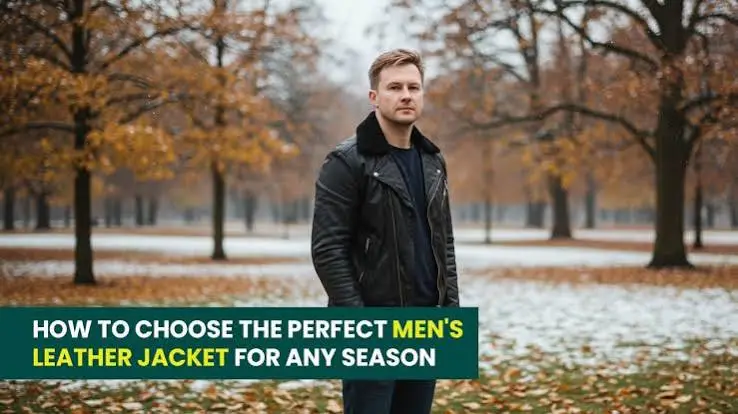
Choosing a leather jacket is easier when you start with the way you actually live. A jacket that looks perfect in a product photo may feel too warm for daily commuting, too restrictive for riding, or too delicate for frequent travel. The best choice is not simply the most fashionable silhouette or the most expensive leather. It is the jacket whose cut, material, weight, features, and care requirements match your routine.
This guide explains how to choose a leather jacket that fits your lifestyle, so you can buy with more confidence and wear it more often.
Start With Your Real-Life Use
Before comparing colours or collars, write down where you expect to wear the jacket. Most buyers fall into one or more of these use cases:
- Everyday city wear: commuting, errands, coffee, dinners, and casual weekends.
- Motorcycle riding: regular riding where movement, coverage, and secure storage matter.
- Cold-weather layering: wearing the jacket over knitwear or a hoodie.
- Smart-casual dressing: pairing leather with trousers, chinos, or office-friendly basics.
- Travel: a versatile outer layer that works across airports, walking days, and evenings.
- Statement style: a distinctive piece chosen mainly for its visual character.
Your main use should guide the shape. For example, a streamlined racer may suit a commuter who wants a clean profile, while a roomier bomber can be more comfortable for layering. A dramatic biker jacket may be ideal for statement dressing but less practical if you want one understated jacket for every setting.
Match the Jacket Style to Your Routine
Biker jackets for attitude and movement
Biker jackets usually feature an angled front zip, pronounced lapels or a snap collar, and several zipped pockets. They work well for casual outfits and can be useful for riders, but not every fashion biker jacket is designed as protective motorcycle equipment. If you ride, check the garment details carefully rather than assuming that a leather shell alone provides technical protection.
For everyday wear, a biker jacket pairs easily with jeans, boots, and simple knitwear. Choose a less embellished version if you want it to transition into dinners and city outfits.
Bomber jackets for relaxed versatility
A leather bomber typically has a shorter body, ribbed cuffs, and a ribbed hem. This shape is comfortable, easy to layer, and naturally casual. It is a strong choice if your wardrobe includes denim, sneakers, sweatshirts, and relaxed trousers.
Because the hem sits close to the waist, try sitting down and raising your arms before buying. The jacket should not ride up uncomfortably or pull across your back.
Racer jackets for a clean, modern look
Racer jackets are usually more minimal, with a stand collar, straight front zip, and limited decoration. They suit buyers who want leather without a vintage biker feel. A racer can move from jeans to chinos more easily than a heavily detailed moto jacket.
Aviator and shearling styles for warmth
Aviator and shearling jackets are visually distinctive and often warmer than lightweight fashion leather. They are worth considering if you spend time outdoors in cold weather or prefer a substantial winter layer. Their extra insulation can also make them bulkier, so check how they fit over the clothes you normally wear.
Choose Leather by Feel, Weight, and Maintenance
Leather type affects comfort, appearance, durability, and how the jacket changes with wear. There is no single “best” leather for every person.
| Leather or finish | Usually suits | What to consider |
|---|---|---|
| Lambskin | Soft, lightweight everyday fashion | Comfortable and smooth, but may need more care than heavier hides. |
| Sheepskin | Soft jackets and warmer garments | Often supple; insulation and lining determine overall warmth. |
| Goatskin | Buyers who want flexibility with character | Distinctive grain and a balance of softness and resilience. |
| Cowhide | Heavy-duty feel and structured silhouettes | Can feel stiff at first and may take longer to break in. |
| Suede or nubuck | Textured, softer-looking outfits | More vulnerable to moisture and staining; care is important. |
| Shearling | Cold-weather use | Warm and substantial, but less compact for travel. |
When shopping online, look for clear information about the shell, lining, insulation, closure, pockets, and care instructions. A product page that explains how the jacket fits is more useful than one that only lists a style name.
Think About Your Climate
Your local weather should influence both the leather and the lining. In mild or changeable climates, a lightly lined jacket is often more useful than a heavily insulated one because it can be worn across more months. In colder regions, look for room in the shoulders and chest so you can add a sweater without restricting movement.
For wet climates, remember that genuine leather is not automatically waterproof. A jacket may handle light exposure, but repeated rain can affect the finish, seams, and lining. If you expect regular wet weather, prioritise practical layering and follow the care instructions supplied with the garment.
Choose a Fit That Supports Your Activities
A good fit should feel close to the body without trapping your arms or pulling across the chest. Leather generally relaxes slightly with wear, but it should not begin painfully tight. Do not rely only on your usual T-shirt size; compare your measurements with the seller’s chart.
Check these areas
- Shoulders: the shoulder seam should sit near the edge of your shoulder, not halfway down your arm.
- Chest: the zip or buttons should close without strain.
- Back: you should be able to reach forward without the jacket cutting into your upper back.
- Sleeves: cuffs should meet the wrist when your arms are relaxed.
- Body length: choose a length that works with your trousers and the layers beneath it.
- Arm movement: drive, sit, reach, and raise your arms before deciding the fit is right.
If you often wear hoodies or thick knitwear, allow for that extra layer. If you mainly wear shirts or light tops, an oversized cut may look less polished than a closer fit.
Consider the Features You Will Actually Use
Features are valuable when they solve a real problem. Deep hand pockets help commuters. An inside pocket can be useful for travel documents or a phone. Adjustable cuffs help if you want to control airflow. A removable lining can extend the wearing season.
On the other hand, extra straps, studs, patches, and decorative zips can add visual weight. They are worth paying for only if they fit your style. A simple jacket with well-placed pockets may become more useful than a highly detailed design that works with only a few outfits.
Buy for Your Existing Wardrobe
Look at the colours and proportions you already wear. Black leather is usually the easiest choice for a sharper, urban wardrobe. Brown and tan can feel warmer and more relaxed, especially with denim, boots, cream knitwear, and earth tones. A coloured or patterned jacket can be memorable, but it may not function as your only outer layer.
Before buying, plan at least three outfits with items you already own. If you can wear the jacket with your favourite jeans, trousers, shoes, and one smart-casual outfit, it is more likely to earn regular use.
Decide Whether Customisation Is Worth It
Customisation can be useful when standard sizing does not work for you, when you need a specific colour, or when you want a distinctive design. It is especially practical for buyers who know the exact measurements and features they want.
For a custom jacket, confirm the measurement process, material options, lining, hardware, lead time, and alteration policy before ordering. USA Jackets Co offers custom leather jacket options with choices such as lambskin, sheepskin, goatskin, buffalo, cowhide, suede, nubuck, and different finishes, making it possible to align the jacket more closely with your use case and preferred look. Explore custom leather jackets.
A Simple Decision Framework
Use this quick process:
- Choose your main use: everyday, riding, cold weather, work, travel, or statement style.
- Select the silhouette that matches that use.
- Choose a leather weight and finish that suit your climate and maintenance habits.
- Measure yourself and compare those measurements with the size chart.
- Check the pockets, lining, closure, and care instructions.
- Build three outfits from your existing wardrobe.
- Review shipping, returns, and custom-order terms before payment.
Frequently Asked Questions
What is the most versatile leather jacket style?
A simple racer or understated bomber is often the easiest to wear across casual and smart-casual outfits. The best choice still depends on your wardrobe and climate.
Should a leather jacket feel tight when new?
It should feel close but not painful. You need enough room to zip it, breathe comfortably, and move your arms. Leather may relax slightly, but it will not fix a fundamentally incorrect size.
Is a heavy leather jacket always better?
No. Heavy leather can feel durable and structured, but a lighter jacket may be more comfortable for commuting, travel, or mild weather. Choose weight based on your use rather than assuming heavier means better.
Can one leather jacket work all year?
In a mild climate, a lightly lined jacket can cover much of the year. In colder or wetter climates, you may need a separate insulated layer or a more weather-appropriate outerwear option.
What should I check before buying a leather jacket online?
Review the material description, measurements, fit notes, lining, care instructions, shipping timeline, return policy, and customer support details. If anything important is unclear, contact the seller before placing the order.
Final Takeaway How to Choose a Leather Jacket
The right leather jacket is the one that fits your routine as well as your body. Start with where you will wear it, then choose the silhouette, leather, lining, features, and fit that support that life. When you buy with those priorities in the right order, the jacket is more likely to become a reliable part of your wardrobe rather than an occasional impulse purchase.
