
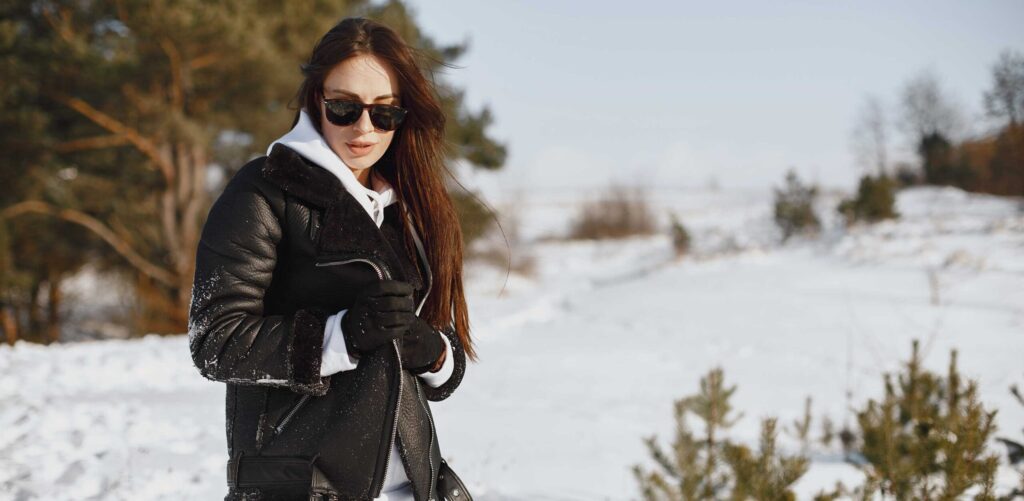
Will Leather Jackets Keep You Warm? 🧥
Leather jackets: they’re a timeless symbol of cool, rebellion, and style. From bikers to rock stars to Hollywood legends, they’ve been a wardrobe staple for decades. But beyond the undeniable aesthetic, there’s a practical question that often comes up, especially when the temperature starts to drop: Will this stylish piece of armor actually keep me warm?
The short answer is: It depends, but generally, yes—to a point.
Here’s a deeper look into the practical warmth and insulation capabilities of the classic leather jacket.
The Material Science of Cool (and Warmth)
To understand a leather jacket’s thermal properties, you have to look at the hide itself. Leather, typically made from cow, sheep, or goat hide, is a naturally dense and durable material.
1. Excellent Wind and Water Resistance
This is where a good leather jacket truly shines. Its structure is incredibly effective at blocking the elements.
- Wind Blocking: Because leather is not woven like a textile (like cotton or wool), it has almost zero permeability to the wind. If you’re riding a motorcycle or just walking on a blustery day, a leather jacket acts as an exceptional windbreaker. This is often the most significant factor in keeping you warm, as blocked wind prevents the rapid chilling of your body’s heat layer.
- Water Repellent: While leather isn’t fully waterproof, it’s highly water-resistant. A brief shower will mostly bead up and run off, keeping the layers underneath dry—and a dry layer is always a warm layer.
2. Natural Insulation
Will leather jackets keep you warm? Leather has decent, though not outstanding, insulating properties. It’s thick and dense, which means it helps trap the heat your body produces close to you. Think of it like a second skin. It’s better than a thin denim jacket or a light nylon windbreaker, but it’s not going to compare to a heavy wool coat or a down-filled puffer.
Where the Warmth Factor Really Changes
The two biggest factors that determine a leather jacket’s warmth have nothing to do with the leather itself: The Cut and The Lining.
1. The Lining is Key 🔑
This is the non-negotiable factor. A leather jacket designed for warmth will have a proper lining:
- Light-to-Moderate Warmth: Most standard fashion jackets have a simple polyester or silk lining. This adds a small amount of insulation and helps the jacket slide on easily, but it’s really only suited for cool evenings or mild autumn days (say, 50-65°F or 10-18°C).
- Serious Warmth: Jackets intended for colder weather, like classic aviator or bomber styles, often feature a quilted lining, flannel, or even a shearling or fur collar. These jackets are significantly warmer and can easily handle near-freezing temperatures, especially when layered properly. Shearling-lined jackets, in particular, are among the warmest coats you can buy.
2. The Fit and Layering
The warmth of any coat is maximized through layering. A leather jacket, particularly one in a biker or cafe racer style, typically has a close fit. If your coat is too snug, you won’t be able to fit a proper insulating layer underneath, like a thick sweater or a hoodie.
The Golden Rule: For maximum warmth, ensure your jacket is roomy enough to comfortably wear a hoodie, a thermal shirt, or a fitted wool jumper underneath. This combination creates an air pocket that traps heat, turning your cool leather piece into a truly functional cold-weather coat.

